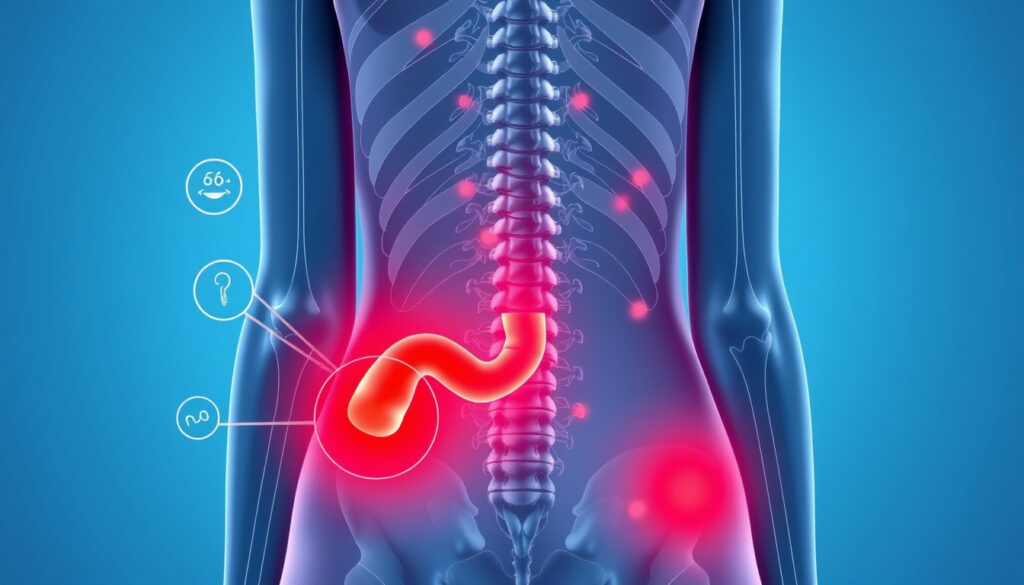
Female Pancreatitis Pain Location: Symptoms & Signs
If you’ve ever felt a deep ache beneath your ribs that seems to wrap around toward your back, you know it’s not the kind of pain you ignore. Pancreatitis pain has a way of commanding attention, and understanding where it starts and where it travels can make all the difference in recognizing what’s happening inside your body. Doctors at institutions like the Cleveland Clinic note that upper abdominal pain radiating to the back is one of the hallmark signs that something is wrong with your pancreas.
Typical Pain Location: Upper abdomen radiating to back · Pain Intensity: Moderate to severe · Common Radiation Sites: Back or shoulders · Associated Symptoms: Nausea, vomiting, fever · Starting Point: Center or left upper abdomen
Quick snapshot
- Upper abdomen pain radiates to back (NCBI InformedHealth.org)
- Dull ache or burning quality (Ubie Health)
- Pain worsens after eating fatty foods (Gastroconsa)
- Specific female-exclusive pain differences lack robust data
- Pain intensity variations between sexes not well-quantified
- Individual anatomy affects exact felt location
- Acute onset within minutes to hours
- Chronic develops over months to years
- Post-meal worsening within minutes
- Seek emergency care if pain is severe and unrelenting
- Diagnostic imaging confirms diagnosis
- Treatment prevents complications
The following table summarizes the core pain attributes that help distinguish pancreatitis from other abdominal conditions.
| Attribute | Detail |
|---|---|
| Primary Location | Upper abdomen |
| Radiation Path | To back or shoulders |
| Onset Feel | Sudden deep ache |
| Women Notes | Similar to general patterns |
| Quality | Dull aching or burning |
| Relief Position | Leaning forward or sitting up |
| Worsening Factor | Lying flat |
| Acute Trigger | Sudden, severe onset |
What does female pancreatitis pain feel like?
The pain from pancreatitis is rarely subtle. According to Mayo Clinic (medical authority), acute pancreatitis causes sudden severe pain in the upper belly that worsens after eating and radiates to the back or shoulders. Patients often describe it as a deep, burning ache that starts in the center or left side of the upper abdomen.
Pain intensity and quality
The Cleveland Clinic describes pancreatitis pain as moderate to severe that radiates to the back. The sensation ranges from a dull ache to a sharp, penetrating burn. NCBI InformedHealth.org notes that the pain is often so severe that most people seek hospital care on the same day it begins. In chronic cases, the pain may come and go, but when it flares, it can be just as intense.
Radiation patterns in women
Pain from pancreatitis often radiates beyond the abdomen itself. Cedars-Sinai (hospital authority) explains that acute pancreatitis pain moves from the upper abdomen to the back, chest, or flanks. The Gastro Florida site notes that pain may spread to the shoulder blade, particularly on the left side. For some women, this radiation can mimic other conditions like gallbladder disease or even cardiac events, which can delay proper diagnosis.
Women should not assume right-sided pain rules out pancreatitis—the pancreas sits centrally, and pain radiation patterns vary. Any sudden severe upper abdominal pain warrants medical evaluation.
The implication: radiation patterns in women can create diagnostic confusion, making it easy to mistake pancreatitis for musculoskeletal or cardiac issues.
Where would pancreatitis pain start?
The pancreas sits deep in the abdomen, tucked behind the stomach and below the rib cage. That’s exactly where pancreatitis pain originates. Gastroconsa (gastroenterology resource) describes the pain as starting in the upper abdomen, typically center or slightly left, spreading to the back in a band-like pattern. Healthdirect (Australian government health authority) confirms that both acute and chronic pancreatitis cause pain in the upper belly that spreads to the back.
Initial pain site
The Healthline resource specifies that acute pancreatitis pain occurs in the epigastric region—midline or left side of the upper abdomen—and often radiates to the back or left shoulder blade. This initial site is consistent whether the cause is gallstones, alcohol, or another trigger. The pain typically begins suddenly and intensifies rapidly over the first several minutes.
Female-specific variations
While the core presentation of pancreatitis pain is similar across sexes, some sources note that radiation patterns in women can sometimes mimic back, chest, or shoulder conditions. GoodRx describes the pain as constant and intense, extending from the upper abdomen through to the upper back and potentially to the shoulder. This wide radiation area can create confusion, especially when the primary abdominal pain is mild but the radiating discomfort is pronounced.
Women experiencing unexplained shoulder or upper back pain should consider whether accompanying upper abdominal discomfort might indicate pancreatitis rather than musculoskeletal issues.
What this means: the epigastric origin point combined with shoulder or back radiation should prompt consideration of pancreatitis before attributing symptoms to strain or injury.
What are signs that pancreatitis is getting worse?
Certain warning signs indicate that pancreatitis has progressed beyond a manageable level and requires urgent medical intervention. Healthdirect (Australian government health resource) identifies that acute pancreatitis causes sudden severe upper abdominal pain spreading to the back, chest, or sides, accompanied by nausea and vomiting. When these symptoms intensify or new ones emerge, the condition may be worsening.
Emergency symptoms
According to Ubie Health, common accompaniments to pancreatitis include nausea, vomiting, fever, abdominal tenderness, and rapid pulse. The Mayo Clinic notes that chronic pancreatitis can lead to weight loss, greasy stools, and diabetes risk over time. If fever spikes above 101°F (38.3°C) or heart rate increases significantly, infection may be present. Persistent vomiting leading to dehydration is particularly dangerous and often requires IV fluid replacement in a hospital setting.
When to seek care
The NCBI InformedHealth.org resource emphasizes that untreated pancreatitis can lead to organ failure or death. Emergency care is critical when pain becomes unbearable and unrelenting, when nausea and vomiting prevent any oral intake, or when fever and confusion develop. Women should be particularly vigilant if they have risk factors like gallstones or alcohol use history.
What can mimic pancreatitis pain?
Because pancreatitis pain radiates widely and varies in intensity, it frequently gets mistaken for other conditions. Understanding these mimics can help women avoid misdiagnosis and ensure they receive appropriate treatment faster. The Gastro Florida site lists twelve symptoms of pancreatitis, but several of these—including upper abdominal pain radiating to the back—overlap with other disorders.
Common confusions
Conditions that often mimic pancreatitis include:
- Gastritis or peptic ulcer disease—causes upper abdominal burning that may radiate to the back
- Gallbladder disease—produces right upper quadrant pain, but can overlap with pancreatitis, especially if gallstones have migrated
- Gastroesophageal reflux disease (GERD)—creates burning discomfort in the chest and upper abdomen
- Kidney stones—cause severe flank pain that may radiate to the abdomen
- Cardiac events—particularly in women, heart attack pain can present as upper abdominal discomfort or jaw/back pain
- Musculoskeletal strain—chest wall or rib muscle pain from injury or overuse
Key differences
The Gastroconsa resource highlights a critical distinguishing feature: pancreatitis pain worsens after eating, particularly fatty foods, and is often relieved by sitting up or leaning forward. The Cedars-Sinai confirms this positional relief pattern. If changing position significantly affects pain intensity, pancreatitis becomes more likely. Additionally, Mayo Clinic notes that chronic pancreatitis can produce oily, foul-smelling stools—a symptom not associated with most mimics.
Women with unexplained upper abdominal pain who also experience nausea, vomiting, and fever should not assume they have heartburn or muscle strain. These combined symptoms warrant prompt medical evaluation to rule out pancreatitis.
The pattern: distinguishing pancreatitis from mimics requires attention to post-meal worsening and positional relief—features uncommon in most alternative conditions.
What is the home remedy for pancreatic pain?
While severe pancreatitis requires hospitalization, certain measures can provide relief for mild symptoms or while awaiting medical care. The Cedars-Sinai (hospital authority) specifically recommends leaning forward or sitting up to ease pain, as lying flat often worsens it. Gastroconsa confirms this positional approach.
Pain relief positions
The most effective immediate measure is changing body position. Sitting upright, leaning forward, or curling the knees toward the chest all reduce pressure on the pancreas and may lessen pain intensity. GoodRx describes the pain as constant and intense, extending through to the upper back, so finding a position that minimizes this radiation is crucial. Avoid lying flat on the back or stomach, as these positions tend to intensify discomfort.
Dietary aids
For mild symptoms, resting the pancreas by avoiding all food and drink (except water in small amounts) for 24-48 hours can help reduce inflammation. The Mayo Clinic (medical authority) emphasizes that chronic pancreatitis pain worsens after eating, so transitioning to a low-fat, bland diet is essential once acute symptoms subside. Small, frequent meals are better than large meals. Foods to avoid include fried items, full-fat dairy, processed meats, and anything high in sugar.
Home remedies are supportive measures only. If pain does not improve within 24 hours, or if nausea, vomiting, or fever develop, medical evaluation is necessary. Untreated pancreatitis can progress rapidly to life-threatening complications.
The implication: home measures buy time but cannot substitute for professional care when symptoms persist or worsen.
“Acute pancreatitis almost always causes severe upper abdominal pain. The pain can spread to your back.”
“Pain in the upper belly that radiates to the back or shoulders.”
Related reading: Causes of Dizziness in Women – Hormones, Anemia and Risks · Beaumont Hospital Consultants List – Official Directory Guide
Frequently asked questions
What are the three cardinal signs of pancreatitis?
The three cardinal signs of pancreatitis are: (1) sudden onset of moderate to severe upper abdominal pain, (2) pain radiating to the back or shoulders, and (3) nausea and vomiting accompanying the pain. Cleveland Clinic confirms these core symptoms.
How long does it take for pancreatitis to stop hurting?
Acute pancreatitis pain typically peaks within hours and may improve over several days with proper hospital treatment. Mild cases often resolve within a week. Chronic pancreatitis pain may persist for weeks or months and can recur periodically throughout life.
What helps the pancreas repair itself?
Rest is the primary factor allowing pancreas recovery. This means fasting during acute episodes, then following a low-fat diet during recovery. The Mayo Clinic notes that chronic pancreatitis requires long-term dietary management and avoidance of alcohol. Severe cases may require enzyme supplementation or surgery.
Does pancreatitis pain come and go?
Yes, chronic pancreatitis pain characteristically comes and goes—episodes of severe pain alternate with periods of relative comfort. Healthdirect describes chronic pancreatitis pain as constant or episodic. In contrast, acute pancreatitis typically causes unrelenting pain until treated.
What are 7 symptoms of pancreas problems?
The Gastro Florida resource identifies twelve symptoms, with seven key ones being: (1) upper abdominal pain radiating to back, (2) nausea and vomiting, (3) fever, (4) rapid pulse, (5) abdominal tenderness, (6) weight loss, and (7) greasy or oily stools in chronic cases.
When to worry about pancreatitis?
Seek emergency care immediately if you experience sudden severe upper abdominal pain that radiates to the back, especially if accompanied by fever, vomiting, or rapid heartbeat. Women with a history of gallstones or alcohol use should be particularly cautious—NCBI InformedHealth.org notes that untreated pancreatitis can lead to organ failure or death.
Where is pancreatitis back pain located?
Pancreatitis back pain typically radiates to the upper back, often between the shoulder blades. GoodRx describes pain extending from the upper abdomen through to the upper back. The Healthline resource notes it may also radiate to the left shoulder blade.
For women experiencing upper abdominal pain that radiates to the back, the decision path is clear: severe, sudden pain with nausea or vomiting requires emergency evaluation. Milder symptoms that persist beyond 24 hours warrant a same-day doctor’s appointment. Home measures like sitting upright and fasting can provide temporary relief, but they do not replace professional diagnosis. The stakes are simply too high for guesswork when your pancreas is at risk.
More related posts
 Mimosa Bar de Tapas – Build Your Own Brunch Spread
 How to Identify a Wart: Visual Guide and Signs
 Punchestown Festival 2025 Dates: Full Schedule & Guide
 Anne with an E – Why It Ended and Where to Watch
 Best Universities in the World 2026: QS, THE, US News
 Galway Crystal Wine Glasses: Quality, Value & Care
 Met Éireann Christmas Weather Forecast 2026: White Christmas