Fota Wildlife Park Photos – Best Animals and Capture Tips
Fota Wildlife Park, spanning 100 acres on Fota Island in County Cork, Ireland, has become a premier destination for wildlife photography enthusiasts seeking striking images of cheetahs, giraffes, and more than 70 other species. Located just 10 kilometres east of Cork City, the park offers a unique combination of naturalistic enclosures, drive-through safari experiences, and accessible animal encounters that rarely appear in traditional zoo settings. For photographers and visitors alike, the park provides countless opportunities to capture animals in environments designed to mirror their natural habitats.
The park’s commitment to conservation, demonstrated through its participation in the European Endangered Species Breeding Program, has produced remarkable results including over 200 cheetah cubs since 1984. This success story, combined with ongoing developments like the Asian Sanctuary, makes Fota Wildlife Park a compelling subject for photography ranging from casual snapshots to professional wildlife portfolios. The following guide examines the animals most frequently captured in Fota Wildlife Park photos, practical tips for visitors, and the best resources for finding high-quality images.
What Animals Feature in the Best Fota Wildlife Park Photos?
Cheetahs remain among the most photographed animals at Fota Wildlife Park, largely due to the innovative cheetah run attraction where these swift predators chase prey along a zip line mechanism. Visitors consistently capture dramatic action shots at this exhibit, which sits near the main entrance and offers optimal viewing angles. The park has recorded over 200 cheetah cub births since 1984, contributing significantly to global conservation efforts for this vulnerable species.
Cheetah Photography Highlights
The cheetah run provides photographers with predictable action sequences, as the animals reliably pursue their moving target. Morning visits typically yield the most energetic performances, as the cheetahs are most active during these cooler hours. Close-up shots are possible from elevated viewing platforms, allowing visitors to capture the distinctive facial features and spotted coats that make these animals so recognizable. According to visitor accounts, the cheetah run generates some of the park’s most dynamic and shareable images.
Giraffe and Herbivore Enclosure Shots
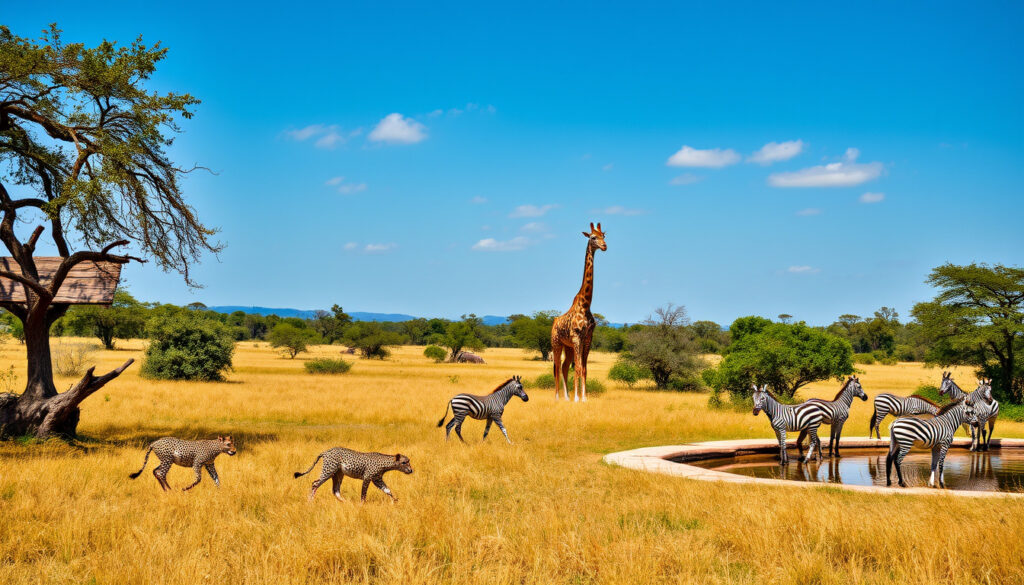
Rothschild giraffes inhabit large shared field enclosures alongside zebras, ostriches, and oryx, creating visually rich scenes for landscape and wildlife photographers. The shared field arrangement allows for striking compositions showing multiple species interacting in expansive naturalistic settings. Morning light filtering through these open areas produces particularly favourable conditions for capturing the distinctive patterns of giraffes against verdant backgrounds.
Primate Islands and Tropical House
The primate islands with elevated walkways offer unique photographic opportunities, allowing visitors to capture images of agile gibbons, lar gibbons, and lion-tailed macaques from eye level. The tropical house contains reptiles, frogs, and butterflies, providing macro photography opportunities distinct from the large mammal encounters elsewhere in the park. Ring-tailed lemurs and free-roaming wallabies roam openly throughout the grounds, enabling spontaneous captures of natural behaviour.
The Asian Sanctuary, housing Asiatic lions, Indian rhinos, and Sumatran tigers, represents some of the park’s most recent development areas. These expansive enclosures present both challenges and rewards for photographers seeking images of larger, more elusive species.
Penguins and Birdlife
Humboldt penguins and Chilean flamingos provide additional photographic subjects, with penguin enclosures offering close-up viewing opportunities rare in many wildlife settings. The flamingo colonies create vibrant colour contrasts against lake and landscape backgrounds, particularly striking during morning and late afternoon light conditions.
Where Is Fota Wildlife Park and What Does It Offer for Photographers?
Location and Accessibility
Fota Wildlife Park occupies Fota Island in Carrigtwohill, County Cork, Ireland, accessible via two entrances from the mainland. The park lies approximately 10 kilometres east of Cork City, making it a convenient day trip destination for visitors travelling from the city or surrounding areas. The drive-through safari section allows vehicles to enter designated areas where giraffes, zebras, and other herd animals roam freely across expansive fields.
This safari experience proves particularly valuable for photographers with vehicle-mounted camera setups, as animals often approach cars, allowing for close-range shots from within the vehicle. The park has earned multiple “Best Family Day Out” awards for Munster and Cork, reflecting its broad appeal to visitors seeking both entertainment and photographic opportunities.
Facilities Supporting Photo Visits
The park includes essential visitor facilities including a café, restaurant, and gift shop. These amenities allow photographers to spend extended periods exploring the grounds without needing to leave for meals. The gift shop offers printed photographs and merchandise featuring park animals, though professional stock photos require licensing through dedicated agencies like Alamy.
Opening times vary throughout the year, and visitors should consult the official Fota Wildlife Park website for current schedules before planning a photography-focused trip. The park operates as a year-round attraction, though animal activity levels and lighting conditions differ significantly between seasons.
Can You Take Photos at Fota Wildlife Park and How?
Photography Guidelines and Practices
Photography is permitted throughout most areas of Fota Wildlife Park, with the open-plan enclosure design making it particularly conducive to wildlife photography. The naturalistic settings allow photographers to capture animals in environments that closely resemble wild habitats, producing more authentic images than traditional zoo settings typically allow. No explicit restrictions on personal photography are posted throughout the park grounds.
Recommended Equipment and Techniques
Visitor accounts and professional photography resources indicate that the following approaches yield the best results at Fota Wildlife Park:
- Capture free-roaming animals like wallabies and lemurs unpredictably for dynamic, behaviour-driven shots
- Focus on the cheetah run during scheduled feeding periods for action photography
- Position near giraffe feeding areas during appropriate times for natural interaction images
- Use the primate island walkways for eye-level compositions with various monkey species
- Visit the tropical house for close-up opportunities with reptiles, amphibians, and butterflies
- Utilize the drive-through safari for herd animal photography from vehicle interiors
- Explore the Asian Sanctuary for big cat and rhino images in spacious enclosures
Professional photographers note that well-maintained enclosures and thoughtful landscaping significantly aid image quality, as clean backgrounds and natural-looking environments reduce post-processing requirements. The park’s ongoing developments continuously introduce new photographic opportunities, making repeat visits worthwhile for serious wildlife photographers.
Best Times for Photography
Summer visits offer extended daylight hours and generally favourable weather conditions for outdoor photography. The drive-through safari proves particularly popular during summer months when families flock to the park, though visitor numbers can create challenges for photographers seeking unobstructed views of popular exhibits.
Irish weather remains unpredictable, and outdoor wildlife photography can be significantly affected by rain, overcast conditions, and rapidly changing light. Photographers should prepare for variable conditions and consider indoor alternatives like the tropical house during inclement weather.
Top Sources for Fota Wildlife Park Photo Galleries
Several resources provide access to Fota Wildlife Park images, ranging from official park collections to user-generated content and professional stock libraries. The official park gallery on the Fota Wildlife Park website showcases curated images of various species and park attractions. These images provide accurate representations of current exhibits and animal residents.
High-resolution stock photographs suitable for commercial and editorial use are available through Alamy, which offers both royalty-free and rights-managed licensing options for professional users. Personal photography collections, including those documented on photography-focused blogs, showcase visitor perspectives and candid animal behaviour that differs from official promotional imagery.
Review platforms like TripAdvisor feature user-submitted photographs providing authentic glimpses of visitor experiences, while the official park Instagram presence (accessible through the website) displays visitor-shared content alongside official announcements.
Comparing Image Sources
Professional stock libraries offer the highest resolution images suitable for print publications and commercial applications, though licensing fees apply. User-generated content on review platforms and social media provides freely viewable collections, though image quality and technical standards vary considerably. The official Ireland tourism website features curated selections combining park publicity materials with approved visitor submissions.
The Evolution of Fota Wildlife Park Photography Opportunities
Fota Wildlife Park opened to the public in summer 1983, marking the beginning of its journey as one of Ireland’s most significant wildlife attractions. The park’s founding coincided with growing awareness of conservation needs and the importance of naturalistic enclosure design in captive wildlife settings.
- 1983: Park opens to the public, establishing foundational enclosures for initial species collections
- 1984: Begins participation in European Endangered Species Breeding Program, marking cheetah breeding success
- 2000s: Development of primate islands with elevated walkway systems for enhanced viewing
- 2010s: Construction of Asian Sanctuary expansion housing rhinos, tigers, and lions
- 2015: Park recognized in TripAdvisor Top 25 Zoos rankings, validating visitor experience quality
- Present: Ongoing development continues with new enclosures and experience improvements
The progression from basic zoo facilities to award-winning naturalistic habitats mirrors broader trends in wildlife collection management, with Fota consistently positioned at the forefront of enclosure innovation and conservation education.
What Photographers Can Expect: Confirmed Versus Uncertain
| Established Information | Information That Remains Unclear |
|---|---|
| Photography permitted throughout park grounds | Specific restrictions on flash photography in certain enclosures |
| Over 70 species housed in naturalistic settings | Exact daily schedules for cheetah run demonstrations |
| 100-acre site with two entrance points | Precise visitor capacity during peak summer periods |
| European Endangered Species Breeding Program participation | Future expansion plans for Asian Sanctuary phases |
| Drive-through safari available for vehicles | Optimal photography seasons for specific animal groups |
| Multiple “Best Family Day Out” awards received | Official policy on tripod and professional equipment usage |
The Role of Fota Wildlife Park in Conservation Photography
Fota Wildlife Park serves dual purposes as both visitor attraction and active conservation participant. The European Endangered Species Breeding Program coordinates efforts across participating institutions to maintain genetically healthy populations of threatened species. Photography documentation of breeding program successes, including the park’s remarkable cheetah cub production, contributes to conservation awareness and educational outreach.
The naturalistic enclosure philosophy prioritises animal welfare and behavioural authenticity, producing more visually compelling photography opportunities than traditional barrier-based zoo designs. Animals at Fota display natural behaviours including hunting sequences, social interactions, and environmental engagement that would rarely occur in more restrictive settings.
“Animals are happy with plenty of space, well-kept, always developing new areas.”
Visitor review via john-hurley.com photography documentation
“The natural enclosures unlike traditional zoos make this a must-visit near Cork.”
Visitor account via lizzieslife2017.wordpress.com
Summary: Planning Your Fota Wildlife Park Photography Visit
Fota Wildlife Park offers exceptional opportunities for wildlife photography across its 100-acre site, with over 70 species inhabiting carefully designed naturalistic enclosures. The combination of drive-through safari access, cheetah run action sequences, and free-roaming species like wallabies and lemurs creates diverse photographic possibilities within a single destination.
Photography is permitted throughout the grounds, and the open-plan design facilitates image capture in most areas. For those interested in colour trends influencing wildlife photography contexts, exploring the Pantone Colour of the Year 2026 can provide context for understanding how professional colour forecasting intersects with visual media. Additionally, visitors looking to sell their wildlife photography through online platforms may find guidance on How to Sell on Vinted useful for understanding marketplace dynamics.
Frequently Asked Questions
What animals can be photographed at Fota Wildlife Park?
Cheetahs, giraffes, zebras, primates including gibbons and macaques, Humboldt penguins, Chilean flamingos, ring-tailed lemurs, free-roaming wallabies, Asiatic lions, Indian rhinos, Sumatran tigers, and over 70 species in total inhabit the park’s naturalistic enclosures.
Where is Fota Wildlife Park located?
Fota Wildlife Park occupies Fota Island in Carrigtwohill, County Cork, Ireland, approximately 10 kilometres east of Cork City, accessible via two entrances from the mainland.
Is photography allowed at Fota Wildlife Park?
Photography is permitted throughout most areas of Fota Wildlife Park. The open-plan enclosure design and naturalistic settings make the park particularly conducive to wildlife photography, with no explicit restrictions on personal photography posted throughout the grounds.
What makes Fota Wildlife Park suitable for wildlife photography?
The park offers diverse photographic opportunities including the cheetah run action sequences, drive-through safari access for herd animals, primate islands with elevated walkways for eye-level compositions, free-roaming species like wallabies and lemurs, and over 100 acres of naturalistic enclosures designed to mirror natural habitats.
More related posts
 Best Api Con Pastel Near Me: Bolivia’s Classic Breakfast
 Chris Eubank Net Worth 2025: Peak to Bankruptcy
 How to Find an Eircode on a Map (Step-by-Step Guide)
 Jeera Rice Near Me: Guide to Buying, Making & Health Facts
 Eye Testing Near Me: Costs, Free Tests & Warning Signs
 Pins and Needles in Feet: Causes, Warning Signs, Relief
 What Time Do Bars Close in Iceland? Reykjavik Nightlife Hours
 164 cm in Feet: Conversion, Height Guide & Comparisons