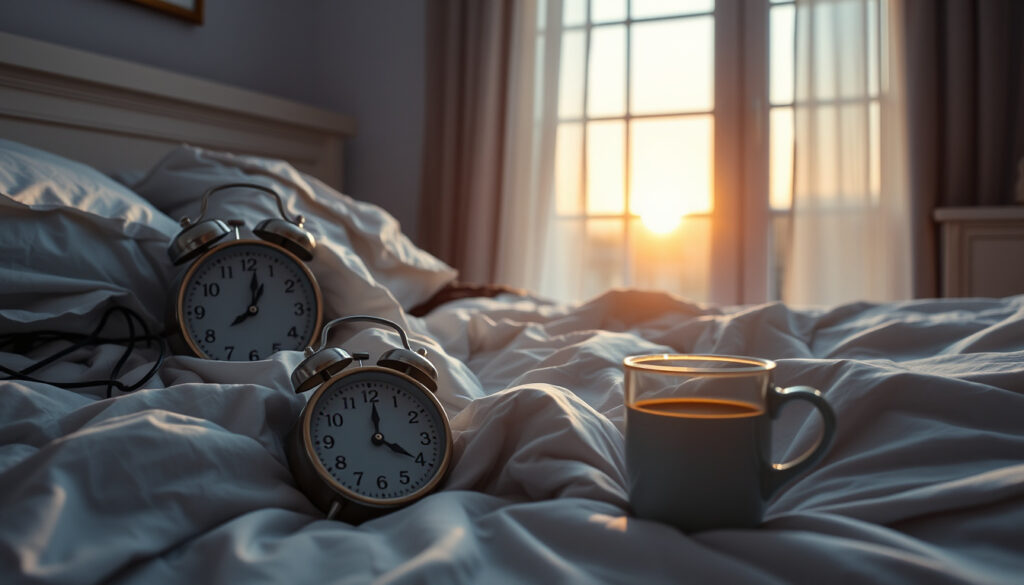
What Causes Poor Sleep Quality—and How to Fix It
Anyone who has stared at the ceiling at 3 a.m. knows the frustration of poor sleep — the groggy mornings, the foggy brain, the short fuse. The truth is, about 1 in 3 adults don’t get enough sleep, and the reasons are often more fixable than you think.
Adults reporting insufficient sleep: 1 in 3 · Percentage of U.S. adults who sleep less than 7 hours per night: 35% · Annual cost of sleep deprivation to U.S. economy: $411 billion · Increase in risk of heart disease from chronic sleep deprivation: 48%
Quick snapshot
- Poor sleep hygiene is the most common cause of insufficient sleep (HSE.ie (Ireland’s Health Service Executive)).
- Sleep deprivation increases risk of chronic diseases (Cleveland Clinic (a top-ranked U.S. hospital), Harvard Health (consumer health division of Harvard Medical School)).
- Consistent bedtime routine improves sleep quality (Mayo Clinic (a leading U.S. medical institution)).
- Exact percentage of sleep quality problems caused by each factor varies by population.
- Long-term effects of “sleep debt” are still being studied in terms of full reversibility.
- 30-40% of adults experience insomnia symptoms (Mayo Clinic).
- Recommended sleep duration for adults: 7-9 hours per night (CDC (U.S. Centers for Disease Control)).
- If self-help measures fail, talk to a doctor (Harvard Health).
- Sleep disorders like sleep apnea are treatable with professional help (Mayo Clinic).
Four key facts capture the scale of the problem and the most common culprit.
| Label | Value |
|---|---|
| Recommended sleep duration for adults | 7-9 hours per night |
| Percentage of adults with insomnia symptoms | 30-40% |
| Most common cause of poor sleep | Irregular sleep routine |
| Top factor affecting sleep quality | Stress and mental health |
What is the main cause of poor sleep?
Poor sleep hygiene and routine
- An irregular sleep schedule — going to bed and waking at different times — is the most common cause of poor sleep, according to HSE.ie (Ireland’s Health Service Executive).
- Poor sleep habits such as inconsistent bedtimes, naps, too much activity before bed, or an uncomfortable sleep area can contribute to insomnia (Mayo Clinic).
- Alcohol and caffeine interfere with sleep, as does indigestion from spicy or fatty food eaten too late (Mayo Clinic Health System).
Medical conditions and sleep disorders
- Sleep apnea, insomnia, narcolepsy, chronic pain, diabetes, heart disease, acid reflux, thyroid disease, and some brain and nerve disorders can cause or disrupt sleep, notes Harvard Health.
- Conditions like restless legs syndrome and sleep apnea present with specific signs: a restless urge to move the legs, snoring, gasping, or pausing during breathing (Mayo Clinic).
- MedlinePlus adds that heart disease, lung disease, nerve disorders, pain, depression, anxiety, medications, genetics, and aging all play a role (MedlinePlus (a service of the U.S. National Library of Medicine)).
Environmental factors
- Noise, light, and temperature are major environmental disruptors, according to Sleep Foundation (a nonprofit sleep health organization).
- Circadian rhythm disruption from travel or shift work is another common cause (Mayo Clinic).
The most common sleep killer isn’t a disease — it’s an inconsistent routine. Fixing your schedule addresses the root cause for the majority of people.
The implication: many causes are modifiable. A stable routine, a dark room, and addressing underlying health conditions can dramatically improve sleep quality.
What are the symptoms of poor quality sleep?
Daytime fatigue and drowsiness
- Difficulty waking up, daytime sleepiness, and falling asleep in atypical situations (such as while driving) are warning signs (Mayo Clinic).
- The NHS lists trouble concentrating, irritability, and needing naps as common symptoms (NHS (U.K. National Health Service)).
Cognitive impairment
- Poor concentration, memory lapses, and more errors or accidents are linked to sleep deprivation (Mayo Clinic).
- Healthline notes that chronic poor sleep increases the risk of accidents and errors (Healthline (a trusted health information publisher)).
Mood changes
- Irritability, depression, and anxiety are common psychological effects (Mayo Clinic).
- Physical signs include dark circles under eyes, yawning, and reduced immune function (Sleep Foundation).
If you regularly feel tired during the day, your body is sending a clear signal. Ignoring these symptoms can lead to long-term health consequences.
The pattern: poor sleep quality shows up in three domains — body, mind, and mood. When all three are affected, it’s a strong indicator that the underlying cause needs attention.
How does sleep deprivation harm your health?
Cardiovascular and metabolic effects
- Sleep deprivation is linked to a 48% increase in risk of heart disease, as well as higher risks of stroke and diabetes, report Cleveland Clinic.
- Harvard Health adds that chronic sleep loss raises blood pressure and contributes to metabolic disorders (Harvard Health).
Weakened immune system
- Healthline reports that sleep deprivation impairs the immune system, making you more susceptible to infections (Healthline).
- Even a single night of poor sleep can reduce the activity of natural killer cells, which fight viruses and tumors.
Mental health consequences
- Long-term lack of sleep contributes to depression, anxiety, and cognitive decline, warns Harvard Health.
- MedlinePlus notes that sleep problems are both a cause and a symptom of mental health disorders (MedlinePlus).
The link between poor sleep and heart disease is strong enough that the American Heart Association now includes sleep duration as one of its “Life’s Essential 8” for cardiovascular health.
The trade-off: the same bad night that makes you irritable today can, over years, damage your heart, brain, and immune system. The good news is that these effects are partially reversible with consistent good sleep.
How to fix poor quality sleep?
Establish a consistent sleep schedule
- Set a fixed wake-up time even on weekends, advises Mayo Clinic.
- Go to bed at the same time every night to reinforce your body’s sleep-wake cycle.
Create a relaxing bedtime routine
- Avoid screens for at least 30 minutes before bed, recommends the NHS.
- If sleep doesn’t come after 20 minutes, get out of bed and do something non-stimulating, such as reading or listening to a calm podcast (Harvard Health).
Optimize your sleep environment
- Keep the bedroom cool, dark, and quiet (Sleep Foundation).
- Use the bedroom only for sleep and sex, not for work or TV (Mayo Clinic).
- Limit caffeine and alcohol intake in the evening (Harvard Health).
The harder you try to force sleep, the more elusive it becomes. The fix is to stop trying — get out of bed, do something boring, and let sleep find you.
The catch: these steps are simple but not easy. Consistency is the key, and it often takes two to three weeks of disciplined practice to reset your sleep pattern.
What foods promote deep sleep?
Foods rich in melatonin and tryptophan
- Cherries, bananas, and oats are natural sources of melatonin, according to Healthline.
- Turkey, nuts, and seeds contain tryptophan, an amino acid that aids sleep (Sleep Foundation).
Complex carbohydrates
- Whole grains, oatmeal, and sweet potatoes can promote sleep by increasing the availability of tryptophan in the brain (Healthline).
Magnesium-rich foods
- Leafy greens, nuts, seeds, and legumes provide magnesium, which helps regulate sleep (Sleep Foundation).
- A light snack before bed can help, but heavy meals reduce sleep quality, warns Mayo Clinic.
The pattern: what you eat matters, but timing matters more. A heavy meal within two hours of bedtime is more disruptive than the specific food choices.
Confirmed facts
- Poor sleep hygiene is the most common cause of insufficient sleep (HSE.ie).
- Sleep deprivation increases risk of chronic diseases (Cleveland Clinic, Harvard Health).
- Consistent bedtime routine improves sleep quality (Mayo Clinic).
What’s unclear
- Exact percentage of sleep quality problems caused by each factor varies by population.
- Long-term effects of “sleep debt” are still being studied in terms of full reversibility.
Stress is the number one sleep killer. It activates the fight-or-flight response, making it nearly impossible to fall asleep, and it’s the most common reason people say they can’t turn off their thoughts at night.
— Dr. Michael Breus, clinical psychologist and sleep specialist
The six steps to better sleep — consistent schedule, relaxing bedtime routine, comfortable environment, regular exercise, mindful eating, and stress management — are proven to work for most people, but they require commitment.
— Mayo Clinic Sleep Specialists
For Irish adults, the choice is clear: either invest in a consistent sleep routine and a healthy sleep environment, or face the accumulating health risks of chronic sleep deprivation — from heart disease to mental health decline. The evidence from HSE.ie, Mayo Clinic, and Harvard Health points to the same conclusion: most poor sleep is fixable, and the fix starts tonight.
sleepandsinuscenters.com, youtube.com, mayoclinichealthsystem.org, mayoclinic.org, quicksymptom.com
Frequently asked questions
What is the difference between poor sleep quality and insomnia?
Poor sleep quality refers to feeling unrefreshed after sleep, while insomnia is a diagnosed condition involving difficulty falling asleep, staying asleep, or waking too early — often with daytime consequences. Insomnia is a specific disorder, whereas poor sleep quality can have many causes, including lifestyle factors.
Can poor sleep quality be reversed?
Yes, in most cases. By addressing the underlying causes — such as inconsistent sleep schedule, stress, or poor sleep environment — sleep quality can improve significantly within a few weeks. If it doesn’t, a doctor should evaluate for sleep disorders.
How long does it take to recover from sleep deprivation?
Recovery depends on the severity of the deprivation. A single night of missed sleep often requires one to two nights of good sleep to feel normal. Chronic sleep debt may take weeks or months of consistent good sleep to fully reverse, and some research suggests cognitive effects may persist longer.
Does exercise improve sleep quality?
Yes, regular moderate exercise has been shown to improve sleep quality, especially in people with insomnia. However, vigorous exercise too close to bedtime can be stimulating. Aim for morning or afternoon exercise for best results (Sleep Foundation).
What is the best sleeping position for quality sleep?
Sleeping on your back or side is generally recommended for quality sleep. Back sleeping supports spinal alignment, while side sleeping (especially left side) can reduce acid reflux and snoring. Stomach sleeping often strains the neck and lower back (Sleep Foundation).
Are sleep trackers accurate for measuring sleep quality?
Consumer sleep trackers are reasonably accurate for detecting sleep duration and patterns, but they are less reliable for measuring sleep stages. They are best used as motivational tools, not medical diagnostic devices. For medical concerns, a polysomnography (sleep study) is the gold standard (Mayo Clinic).
When should I see a doctor for poor sleep?
See a doctor if poor sleep lasts longer than three months, if it significantly affects your daily functioning, or if you experience symptoms like loud snoring, gasping for air, or an irresistible urge to move your legs at night. These could indicate a treatable sleep disorder (HSE.ie).
Also read: Pins and Needles in Feet: Causes, Warning Signs, Relief — nerve disorders can disrupt sleep, and Normal Blood Pressure for a Woman — high blood pressure is both a consequence of poor sleep and a contributor to it.
More related posts
 Compare Travel Insurance Prices: Best Sites & Providers
 What Is a Normal Blood Pressure for a Woman? Chart
 Let It Go Lyrics: Meaning, Singer, and Vocal Difficulty
 10000 Pound in Euro : Current Rate & How to Convert
 Temu Discount Code Ireland – Working Promo Codes April 2026
 Best Time to Visit Iceland: Seasons, Northern Lights & More
 Best Nintendo Switch 2 Cases: Tested & Reviewed (2025 Guide)
 Free Walking Tour Dublin: Best Tours, Tips & How They Work