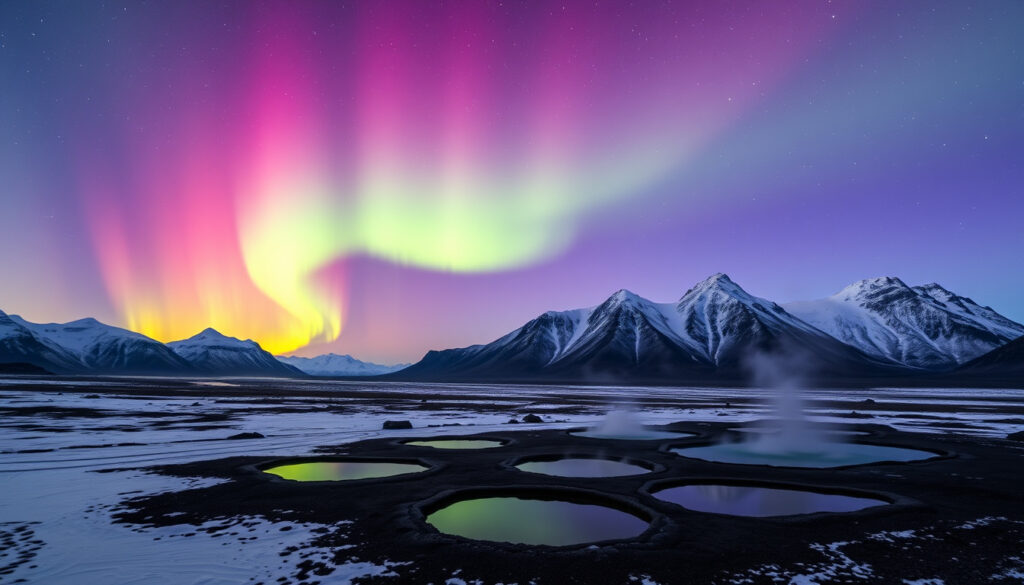
Best Time to Visit Iceland: Seasons, Northern Lights & More
Iceland’s seasons don’t just change the scenery—they create almost different destinations. Summer brings midnight sun and accessible highlands, while winter transforms the island into one of the world’s premier northern lights destinations. The “best” time depends entirely on what you came for: a family chasing summer hikes has different priorities than a budget traveler or a photographer hoping to catch the aurora.
Best for Northern Lights: September to March · Best for Summer Activities: June to August · Cheapest Months: November to March · Peak Tourist Season: June to August · Midnight Sun Period: June to August
Quick snapshot
- Northern Lights visible late August to mid-April (Guide to Iceland)
- Peak viewing months: February-March per aurora activity cycles (Inteletravel)
- Summer (Jun-Aug) has no northern lights but best weather and open roads (Rick Steves)
- Exact cheapest month varies by airline route and booking lead time
- Solar cycle intensity for 2026 aurora forecasting
- Specific child-age suitability for winter driving tours
- September marks the seasonal pivot: mild temps, lower prices, aurora season beginning (Guide to Iceland)
- November starts the darkest period (November to end February), peak holiday premium follows (Guide to Iceland)
- Mid-April closes the aurora window; off-peak pricing resumes (Guide to Iceland)
- Dec-Jan: longest nights (up to 20 hours darkness), holiday pricing spike, stormy conditions
- February-March: improving weather stability, equinox-enhanced aurora near March 20, moderate pricing
- May onward: daylight surge, summer pricing builds, aurora season closes
Iceland’s seasonal metrics reveal clear patterns that travelers can use to time their visit strategically.
| Metric | Value |
|---|---|
| Prime Northern Lights | September to March |
| Midnight Sun | June to August |
| Roads Fully Open | June to August |
| Cheapest Flights | November to March |
| Darkest Months | November to end February |
| Best Viewing Peak | February to March |
| Cheapest Period | September to May |
| Winter High (Reykjavik) | 37°F |
| Winter Low (Reykjavik) | 28°F |
| Equinox Peak Activity | Near March 20 |
What is the cheapest month to visit Iceland?
Iceland’s pricing doesn’t move in straight lines—flights, accommodation, and tours all follow their own rhythms through the year. Understanding those rhythms matters more than hunting for a single “cheapest day.”
The off-peak windows break into two stretches: September through November, then January through May, according to Guide to Iceland (travel guide and booking platform). Flying in during these windows typically lands lower airfares than peak summer or holiday periods.
Off-peak savings
September through November brings the year’s best value—school’s back, tourist crowds thin, hotels drop their rates, and rental cars become easier to find without surge pricing. January through May follows the same pattern: fewer visitors, lower accommodation costs, and airline sales that show up more frequently.
December through January flips the script. Holiday premium pricing hits hard—flights and hotels climb 20-40% above off-peak levels, according to Inteletravel (travel blog with 2026-specific data). February through March sits in the middle: more affordable than December-January, but not as cheap as September or the deep off-peak stretch through spring.
For families specifically, May works as a sweet spot—the shoulder between winter lows and summer highs, with daylight extending enough for full sightseeing days.
Budget travel tips
The trade-off in winter months runs through three variables: darkness duration, weather stability, and cost. September gives you 10-12 dark hours with mild temperatures (40-55°F), standard layering needs, and lower prices. December-January delivers 18+ dark hours for aurora viewing, but temperatures drop to 20-35°F, storms are frequent, and you’ll pay peak holiday rates, per Inteletravel.
February-March splits the difference: 14-16 dark hours, temperatures in the 20-35°F range, improving weather stability, and moderate pricing. The equinox period near March 20 adds another variable—heightened aurora activity tied to solar dynamics.
What is the temperature of Iceland by month?
Iceland sits far north, but the Gulf Stream softens the edges more than most expect. The numbers don’t tell the whole story until you factor in wind, precipitation, and regional variation across the island.
Winter in Reykjavik brings highs around 37°F and lows near 28°F, according to Audley Travel US (specialist travel operator with regional weather tables). Summers run cooler—48-55°F—with June through August delivering the most reliable dry stretches, per Rick Steves (Europe travel authority).
Summer highs
June through August concentrates warmth and daylight. The midnight sun runs from late May through mid-August—Reykjavik sees the sun barely set in June. Daytime highs climb to 48-55°F, occasionally touching higher in sheltered valleys. Rainfall remains frequent but —expect sunny breaks followed by showers rather than continuous downpours. Roads to highland interior areas open fully during these months.
Winter lows
November through March marks the cold season, but “cold” in Iceland means something different than continental winters. The Gulf Stream keeps coastal areas milder than latitude alone would suggest—winter highs in Reykjavik hold around 37°F, and sub-zero nights are the exception rather than the rule, per Audley Travel US.
Regional differences matter: the Snæfellsnes Peninsula sees winter highs ranging from 32-54°F with 2-4 inches of precipitation, while Vatnajökull National Park runs colder at 28-52°F highs with 5-8 inches of precipitation, according to Audley Travel US. The south coast and Golden Circle stay more accessible in winter, making them practical options for families choosing a winter visit.
Temperature numbers alone are misleading—Iceland’s “mild” winters still bring icy roads, limited daylight, and high wind chill. Families visiting with children in winter months should budget extra time for getting dressed and factor in shorter outdoor windows than summer trips allow.
What is the best time to visit Iceland for northern lights?
The aurora season spans eight months in Iceland, but “visible” and “optimal” aren’t the same thing. The math breaks down to dark hours, clear skies, and solar activity cycles that nobody fully controls.
The northern lights season runs from late August through mid-April, with September through March offering the most reliable viewing conditions, according to Guide to Iceland (comprehensive Iceland travel platform). The darkest months—November to end February—give the longest nightly darkness windows, with some winter nights stretching to 20 hours of darkness, per Aurora Expeditions (specialist polar tour operator).
September to March window
September marks the start of the practical viewing window. September gives you 10-12 dark hours with mild temperatures around 40-55°F and high weather stability, making it ideal for families or first-timers who want comfort with their aurora chances. The trade-off: fewer dark hours than midwinter, so viewing probability runs “good” rather than “excellent,” per Inteletravel.
October through February represents peak darkness territory. The sky gets genuinely dark for extended periods, and aurora probability climbs. February through March adds a specific bonus: heightened solar activity around the spring equinox (near March 20) coincides with improving weather stability. The combination makes this stretch optimal for serious aurora chasers, per Inteletravel.
Clear sky factors
Darkness is necessary but not sufficient. Cloud cover defeats aurora viewing no matter how strong the solar activity. Late September through October and late February through March tend to offer more stable weather patterns with clearer nights, according to Guide to Iceland. December and January give the most dark hours but also the highest storm frequency— Iceland’s weather can close roads and cancel tours with little warning.
Top viewing spots include Thingvellir National Park, Snæfellsnes Peninsula, and Jokulsarlon Glacier Lagoon, per Guide to Iceland. Aurora forecast apps operate on a 0-9 scale, with readings of 3 or higher considered promising conditions, according to Fifty Degrees North (specialist Nordic travel platform).
February through March delivers optimal viewing probability thanks to stable spring weather and heightened equinox activity near March 20. September works better for families or first-timers—the temperatures stay manageable, nights are dark enough for sightings, and weather patterns tend to cooperate more than the December-February storm season.
Is Iceland expensive to visit?
Yes—by European standards, Iceland sits in the higher price tier. But “expensive” covers a wide range, and how you travel within that range matters as much as whether you go.
Realistic daily budgets land around $250+ per person per day, according to Adventurous Kate (travel blogger with Iceland-specific cost breakdowns). For a 4-5 night winter trip on the budget end, $800-1,200 per person covers hostels, rental cars, and free natural attractions—winter driving is necessary in this price range, per Inteletravel.
Cost breakdown
Three budget tiers give you the range:
- Budget ($800-1,200 per person for 4-5 nights): Hostels or budget guesthouses, rental cars, self-catering or cheap eats, free attractions. Winter requires a 4WD for safety on F-roads.
- Mid-range ($1,500-2,500 per person): 3-star hotels, guided tours at $80-150 per person, restaurant dinners a few nights. The most common sweet spot for first-time visitors.
- Premium ($3,000-4,500+ per person): Boutique hotels, private guides, premium aurora tours, all restaurant meals.
Seasonal pricing swings hard: September delivers lower pricing and best value, December through January hits peak holiday premiums, and February through March sits in the moderate middle, per Inteletravel.
Ways to save
The cheapest months break into two stretches: off-peak September through November and January through May, according to Guide to Iceland. Outside Reykjavik, accommodation prices drop noticeably. Free natural attractions—waterfalls, geothermal areas, black sand beaches—compete with paid sites. Booking rental cars and accommodations well ahead of summer or winter holidays locks in lower rates before surge pricing kicks in.
The trade-off in winter months runs through three variables: darkness duration, weather stability, and cost. September gives you 10-12 dark hours with mild temperatures (40-55°F), standard layering needs, and lower prices. December-January delivers 18+ dark hours for aurora viewing, but temperatures drop to 20-35°F, storms are frequent, and you’ll pay peak holiday rates, per Inteletravel.
Iceland costs more than most European destinations, but budget travelers can make it work during off-peak windows. The cheapest periods span September-November and January-May—with September offering a rare combination of lower prices, manageable temperatures, and aurora season already underway. Families visiting in May benefit from lower costs than peak summer and daylight extending enough for full adventure days.
What is the worst time to visit Iceland?
Every season has its challenges. “Worst” depends on which difficulties matter most to you—weather, crowds, budget, or daylight.
November through March presents the harshest conditions: limited daylight, winter driving challenges, potential road closures in the highlands, and weather that can turn plans upside down. June through August brings peak crowds, peak prices, and no northern lights. The shoulder months of May and September-October offer the most balanced experience for most travelers, according to Rick Steves.
Weather challenges
November through March concentrates Iceland’s worst weather. Storms can close roads, cancel tours, and strand travelers. Visibility drops fast in snow and fog. Driving requires experience with ice and gravel roads—not recommended for novice winter drivers. The darkness in December and January limits sightseeing hours to a few bright ones around midday.
December and January stack multiple difficulties: shortest daylight (under 5 hours), peak holiday pricing, storm frequency, and winter driving conditions. February through March improves—longer days, slightly better weather stability—but still demands winter gear and flexible plans.
Crowd avoidance
June through August pulls the largest crowds. The Ring Road gets busy, popular attractions like the Blue Lagoon and Golden Circle see peak visitation, and accommodations book out months ahead. If you want summer weather without the crowds, May offers most of the daylight with far fewer visitors. September follows the same pattern: the weather stays mild, summer infrastructure runs fully, but school-year schedules reduce tourist volume.
The pattern: travelers who choose December-January trade practicality for authentic winter experience—the darkest skies and strongest aurora come with genuine hardship that February-March avoids almost entirely.
The trade-off
Choosing the best time to visit Iceland means choosing which compromises you can live with. The aurora seeker accepts short days, winter driving, and potential storm cancellations. The summer traveler accepts crowds, peak prices, and no northern lights. Families need to weigh child comfort in cold weather against the magic of a first northern lights sighting.
September stands out as the rare month that sidesteps the sharpest trade-offs—it stays mild enough for comfortable outdoor exploration, prices drop from summer peaks, crowds thin out, and the aurora season has begun. For families with young children who can’t handle the cold or for first-timers unsure what they want from Iceland, September covers the most ground without forcing the hardest compromises.
The implication: Iceland’s seasons don’t just change the scenery—they change the fundamental experience. Summer Iceland and winter Iceland are almost different destinations. Planning around which experience you actually want matters more than finding a technically “perfect” date.
Upsides
- September through May: lower prices, fewer crowds, aurora season active
- February through March: optimal aurora viewing conditions, equinox-enhanced activity near March 20
- September: mild temps (40-55°F), manageable conditions, aurora beginning
- May: improving weather, extended daylight, lower costs than summer
- Shoulder seasons: balanced weather, accessible roads, less crowded attractions
Downsides
- December through January: shortest daylight, peak holiday pricing, storm frequency
- November through March: winter driving demands, limited daylight, weather instability
- June through August: peak crowds, highest prices, no northern lights possible
- Summer: missing the aurora entirely—irrelevant for travelers chasing the lights
- Deep winter: potential road closures, tour cancellations, high wind chill
When each season delivers
Iceland’s travel year divides into five distinct periods, each with characteristic trade-offs for visitors.
| Period | What to expect |
|---|---|
| June through August | Summer: midnight sun, hiking, peak tourism, all roads open, no northern lights |
| September through November | Shoulder: mild temps, aurora begins, lower prices, fewer crowds |
| December through January | Winter peak: longest nights, aurora strong, holiday premium, stormy conditions |
| February through March | Late winter: optimal aurora conditions, equinox boost near March 20, moderate prices, improving weather stability |
| April through May | Shoulder: daylight increasing, lower costs, aurora window closing (April), spring transition |
What the experts say
The best time to visit Iceland to see the northern lights is between November and February, when the nights are longest.
— Audley Travel US (specialist travel operator)
Summer really is the best time to go—if your main goal is outdoor sightseeing and you’re not going specifically for the northern lights.
— Rick Steves (Europe travel authority)
Iceland’s northern lights season runs from late August/September to mid-April, when nights are dark enough for optimal viewing.
— Guide to Iceland (comprehensive Iceland travel platform)
February-March delivers optimal viewing probability thanks to stable spring weather and heightened equinox activity near March 20.
— Inteletravel (travel blog with 2026-specific data)
Summary
The “best time” to visit Iceland isn’t a single date—it’s a decision about what experience you want and which trade-offs you can live with. Aurora chasers should target September through March, with February through March offering the strongest combination of dark skies, stable weather, and equinox-enhanced solar activity near March 20. Budget travelers save the most during off-peak September through November and January through May, with September delivering rare value: mild temps, lower prices, aurora already starting, and manageable conditions for families or first-timers. Summer (June through August) works best for outdoor activities with full daylight and open roads, but it brings peak prices, peak crowds, and no northern lights. For most travelers reading this, September hits the sweet spot—fewer compromises than either extreme, with Iceland’s most distinctive feature (the aurora) already underway. Visitors who plan around their primary goal—aurora hunting, summer adventure, or budget optimization—will find Iceland rewarding in ways that a generic “best time” search never reveals.
Related reading: best soups for winter
Those targeting the Northern Lights between September and March should consult the Northern Lights forecast tonight for optimal Kp index and viewing spots.
Frequently asked questions
How many days do you really need in Iceland?
A minimum of 5-7 days covers the highlights without rushing. The Ring Road loop alone takes 7-10 days at a comfortable pace. A long weekend in Reykjavik works for city-based activities with a couple of day trips, but anyone wanting to venture beyond the Golden Circle needs a full week at minimum.
Is 7 days in Iceland too long?
Seven days gives you enough time for Reykjavik plus either the Ring Road’s southern half or a focused route like the Snæfellsnes Peninsula. You won’t cover everything—Iceland deserves more time—but a week lets you experience both landscapes and at least one northern lights evening if visiting between September and March.
What not to bring into Iceland?
Avoid bringing fresh food, plants, or animal products (some exceptions for commercially prepared goods). Iceland’s biosecurity is strict to protect its unique ecosystems. Cash isn’t necessary—credit and debit cards work everywhere, even at rural gas stations. Leave expensive unnecessary electronics at home unless you have a specific photography or videography purpose.
What to be careful of in Iceland?
Weather changes fast—always check vedur.is before heading out. Dress in layers and carry rain gear regardless of season. F-roads (highland mountain roads) require 4WD and proper preparation—rented vehicles often void insurance on these routes. Don’t leave marked trails at geothermal areas; burns happen. Driving at night in winter requires attention to ice and limited visibility.
Is Iceland expensive to visit?
Yes, by European standards. Budget travelers should plan for $250+ per person per day, with lower costs possible during off-peak months (September-November, January-May). Accommodation, food, and car rentals drive most of the expense. Free natural attractions help balance the budget.
What is the best time to visit Iceland with kids?
September works best for most families—temps stay mild (40-55°F), the aurora season has started but conditions aren’t as harsh as deep winter, and crowds have thinned from summer peaks. May also works as a shoulder season option with longer days. Summer (June-August) suits active families focused on hiking and outdoor adventures but brings peak crowds and prices.
What is the best time to visit Iceland Blue Lagoon?
The Blue Lagoon operates year-round. Winter visits offer a dramatic contrast between the 102°F geothermal water and cold air (bring a warm hat and limit time if temperatures drop below 28°F). Summer visits feel less magical but are more comfortable for children and those sensitive to cold. Booking in advance is mandatory regardless of season.
More related posts
 Best Pens for Journaling: Smudge-Free Picks for Lefties
 Irish Racing Results Today Please | Kilbeggan Live Updates
 Eye Testing Near Me: Costs, Free Options, and What to Expect
 Father Ted House Location: Map, GPS & Visitor Guide (2026)
 Leeds United vs Sunderland – Preview, Stats and Prediction
 Dunmore East Cliff Walk: Distance, Directions & Tips (2025 Guide)
 Athletic Club vs Arsenal 2025: Result, Stats, Highlights
 Manchester United F.C. vs Athletic Bilbao Lineups: Confirmed Teams & Score